Bitcoin Explained: What It Is, How It Works & Why It Matters
Bitcoin Explained
Bitcoin is the world’s first decentralized cryptocurrency and remains the largest digital asset by market capitalization. Since its launch in 2009, Bitcoin has transformed how people think about money, investing, and financial freedom. Whether you’re completely new to crypto or looking to better understand why Bitcoin continues to dominate headlines, this guide explains everything you need to know in simple terms.
Unlike traditional currencies issued by governments, Bitcoin operates on a decentralized network that allows users to send and receive money without relying on banks or payment processors. Every transaction is recorded on a public blockchain, creating a transparent and secure financial system.
If you’re beginning your crypto journey, understanding Bitcoin is essential because many other cryptocurrencies and blockchain innovations were inspired by its technology.
What Is Bitcoin?
Bitcoin is a digital currency that allows people to transfer value over the internet without the need for a central authority. It was introduced in 2009 by the pseudonymous creator Satoshi Nakamoto, whose identity remains unknown.
Instead of being printed like traditional money, Bitcoin is created through a process called mining and is secured by thousands of computers distributed around the world.
Because Bitcoin has a fixed supply of 21 million coins, many investors consider it a scarce digital asset, often comparing it to gold.
If you’re new to digital currencies, start with our Cryptocurrency guide to understand the broader crypto ecosystem before diving deeper into Bitcoin.
How Does Bitcoin Work?
Bitcoin operates on a decentralized blockchain network.
Every transaction follows a simple process:
- A user sends Bitcoin to another wallet.
- The transaction is broadcast across the network.
- Miners verify the transaction.
- The verified transaction is added to the blockchain.
- The recipient receives the Bitcoin.
Because every transaction is permanently recorded, Bitcoin offers transparency while remaining resistant to censorship and fraud.
The technology behind this system is explained in our Blockchain guide.
Why Does Bitcoin Have Value?
Many people ask why Bitcoin is valuable if it only exists digitally.
Several factors contribute to its value.
Limited Supply
Only 21 million Bitcoin will ever exist, making scarcity one of its strongest characteristics.
Global Demand
Millions of individuals, businesses, investment funds, and institutions own or support Bitcoin.
Security
Bitcoin’s blockchain has operated continuously for years and is considered one of the most secure decentralized networks ever created.
Decentralization
No government, company, or individual controls the Bitcoin network.
Bitcoin vs Traditional Money
Bitcoin differs from fiat currencies in several important ways.
| Bitcoin | Traditional Currency |
|---|---|
| Fixed supply | Unlimited issuance possible |
| Decentralized | Controlled by central banks |
| Borderless | Country-specific |
| Digital | Physical and digital |
| Blockchain transactions | Banking infrastructure |
These differences explain why many investors see Bitcoin as an alternative financial asset rather than simply another payment method.
Who Created Bitcoin?
Bitcoin was introduced through a white paper published by Satoshi Nakamoto in October 2008.
Although many theories exist regarding Satoshi’s identity, no one has conclusively proven who created Bitcoin.
The mystery surrounding Bitcoin’s creator continues to be one of the most fascinating stories in modern finance.
Why Do Investors Buy Bitcoin?
People purchase Bitcoin for different reasons.
Long-Term Investment
Many investors believe Bitcoin could appreciate in value over time due to its scarcity.
Portfolio Diversification
Some investors include Bitcoin alongside stocks, bonds, and other assets.
Inflation Protection
Because Bitcoin has a fixed supply, some view it as protection against inflation.
Global Accessibility
Anyone with internet access can buy, hold, or transfer Bitcoin.
Can You Buy Less Than One Bitcoin?
Yes.
One of the biggest misconceptions is that investors must purchase an entire Bitcoin.
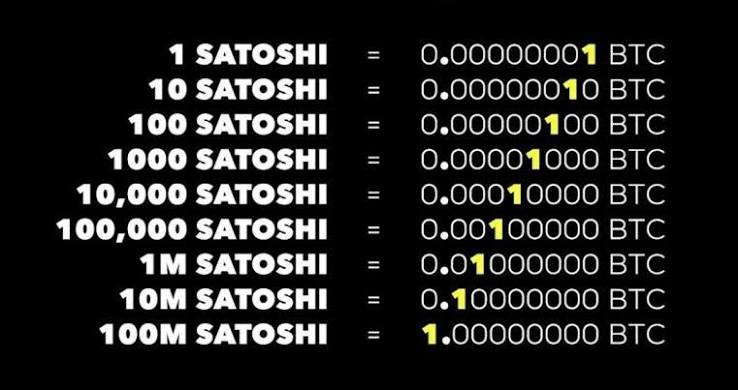
Bitcoin is divisible into 100 million units, called satoshis.
This allows beginners to invest small amounts while gradually building their holdings.
Is Bitcoin Safe?
Bitcoin itself has proven highly secure.
However, investors must also protect their wallets, passwords, and recovery phrases.
Good security habits include:
- Using trusted exchanges.
- Storing Bitcoin in secure wallets.
- Enabling two-factor authentication.
- Avoiding phishing scams.
- Never sharing private keys.
Our Crypto Security and Crypto Wallets guides explain these topics in greater detail.
What Can Bitcoin Be Used For?
Bitcoin continues expanding beyond simple investing.
Common uses include:
- Long-term investing
- International transfers
- Online payments
- Wealth preservation
- Portfolio diversification
- Business transactions
- Digital savings
As adoption grows, more businesses and financial institutions continue integrating Bitcoin into their services.
The Future of Bitcoin
Bitcoin has evolved from an experimental digital currency into one of the world’s most recognized financial assets. While its price remains volatile, long-term adoption continues to grow as individuals, businesses, investment firms, and financial institutions explore its potential.
Several factors may shape Bitcoin’s future:
- Increasing institutional adoption.
- Greater regulatory clarity in major economies.
- Expansion of Bitcoin exchange-traded products (ETFs).
- Broader acceptance as a payment method.
- Improved Layer 2 technologies, such as the Lightning Network.
- Continued growth as a long-term store of value.
Although no one can accurately predict Bitcoin’s future price, understanding its technology and long-term purpose is far more valuable than focusing only on short-term market movements.
Is Bitcoin Right for You?
Bitcoin isn’t suitable for every investor, but it can be an excellent way to diversify a portfolio when approached responsibly.
Before investing, ask yourself:
- Do I understand how Bitcoin works?
- Can I tolerate market volatility?
- Am I investing for the long term?
- Do I know how to store Bitcoin securely?
- Have I researched the risks as well as the opportunities?
Learning first and investing second is often the safest approach for beginners.
Frequently Asked Questions
What is Bitcoin?
Bitcoin is the world’s first decentralized cryptocurrency. It allows people to send and receive digital money without relying on banks or governments.
Who created Bitcoin?
Bitcoin was introduced in 2009 by the pseudonymous creator Satoshi Nakamoto. Their real identity remains unknown.
Is Bitcoin legal?
Bitcoin is legal in many countries, although regulations differ depending on where you live. Before buying or using Bitcoin, always review the laws and tax rules that apply in your jurisdiction.
Can I buy less than one Bitcoin?
Yes. Bitcoin can be divided into very small units called satoshis, making it possible to invest with relatively small amounts.
Is Bitcoin a good investment?
Bitcoin has delivered strong long-term growth historically, but it also experiences significant price fluctuations. Every investment decision should be based on personal financial goals, risk tolerance, and thorough research.
Is Bitcoin anonymous?
Not completely. Bitcoin transactions are recorded on a public blockchain. While wallet addresses don’t display personal names, blockchain activity can often be analyzed.
What is the safest way to store Bitcoin?
Many long-term investors prefer self-custody using hardware wallets, while beginners often start with reputable exchanges before moving funds to private wallets.
Continue Learning
Expand your knowledge by exploring our complete guides:
- Cryptocurrency — Learn the fundamentals of digital currencies.
- Blockchain — Understand the technology behind Bitcoin.
- Crypto Wallets — Learn how to store Bitcoin safely.
- Crypto Exchanges — Compare platforms for buying and selling Bitcoin.
- Investing — Build a long-term investment strategy.
- Personal Finance — Manage your money before investing.
- Altcoins — Discover cryptocurrencies beyond Bitcoin.
- Stablecoins — Learn how price-stable digital assets work.
- DeFi — Explore decentralized financial services.
- Digital Assets — Understand the broader digital economy.
- Crypto Security — Protect your investments from scams.
- Crypto Tax — Learn the basics of cryptocurrency taxation.
- Crypto Mining — Discover how new Bitcoin is created.
- NFTs — Explore blockchain-based digital ownership.
Trusted Resources
For accurate and up-to-date information, consult these trusted organizations:
- Bitcoin.org – Official educational resource explaining Bitcoin, wallets, and best practices.
- U.S. Securities and Exchange Commission (SEC) – Information about crypto-related investments and investor protection.
- Commodity Futures Trading Commission (CFTC) – Regulatory updates regarding digital asset markets.
- Internal Revenue Service (IRS) – Official guidance on the taxation of digital assets.
- The Bitcoin Whitepaper – The original document published by Satoshi Nakamoto explaining how Bitcoin works.
Future Satellite Articles
Create supporting content around this pillar with topics such as:
- What Is Bitcoin in Simple Terms?
- How Does Bitcoin Work?
- Who Is Satoshi Nakamoto?
- Why Is Bitcoin Valuable?
- How to Buy Bitcoin Safely
- Best Bitcoin Wallets for Beginners
- Bitcoin vs Ethereum
- Bitcoin vs Gold
- Bitcoin vs Stocks
- Can Bitcoin Reach New All-Time Highs?
- How Bitcoin Mining Works
- Bitcoin Halving Explained
- How to Store Bitcoin Offline
- Common Bitcoin Scams and How to Avoid Them
- Is Bitcoin Legal in the United States?
- How Much Bitcoin Should Beginners Buy?
- Bitcoin Investment Strategies for Long-Term Investors
- What Affects the Price of Bitcoin?
- Bitcoin Transaction Fees Explained
- Beginner’s Guide to Bitcoin Security
Final Thoughts
Bitcoin has changed the way people think about money, ownership, and financial independence. As the first and most established cryptocurrency, it remains the foundation of the digital asset ecosystem and continues to influence innovation across the blockchain industry.
Whether you’re interested in investing, understanding blockchain technology, or simply learning how digital money works, building a strong knowledge base is the best place to start.
Continue your learning journey with our guides on Cryptocurrency, Blockchain, Crypto Wallets, Crypto Exchanges, Investing, and Digital Assets. Together, these resources will help you make informed decisions and confidently navigate the world of Bitcoin and cryptocurrency.
To learn more about Bitcoin and digital assets, explore trusted sources such as Bitcoin.org for educational resources, the U.S. Securities and Exchange Commission (SEC) for investor guidance and regulatory updates, and the Internal Revenue Service (IRS) Digital Assets Center for official U.S. cryptocurrency tax information. Relying on reputable sources helps you stay informed and make smarter financial decisions.